
Premium sock quality materials guide
Premium sock quality materials guide: choose wisely
The fibre inside your sock determines everything: how dry your feet stay, how long the sock lasts, and whether it feels like a luxury or a chore. This premium sock quality materials guide covers the fibres that matter most, from merino wool and bamboo to polyester blends and elastane, so you can make purchases based on evidence rather than packaging. Certifications like OEKO-TEX STANDARD 100 add a further layer of confidence, independently verifying that textiles are free from harmful substances. Whether you are buying for everyday comfort, athletic performance, or gifting, understanding high-quality sock fabrics is the single most useful skill you can develop.
What are the best materials for premium socks and why?
The best sock materials balance moisture management, softness, durability, and fit retention. No single fibre delivers all four perfectly, which is why the finest socks on the market use blends.
Merino wool
Merino wool fibres measure under 24 microns in diameter, making them soft enough to wear directly against skin without irritation. The fibre is naturally antimicrobial, wicks moisture effectively, and regulates temperature, keeping feet cool in summer and warm in winter. Blended with nylon and spandex, merino wool delivers what many textile experts consider the gold standard in premium sock performance. The nylon adds abrasion resistance, while spandex provides the elasticity needed for a secure fit.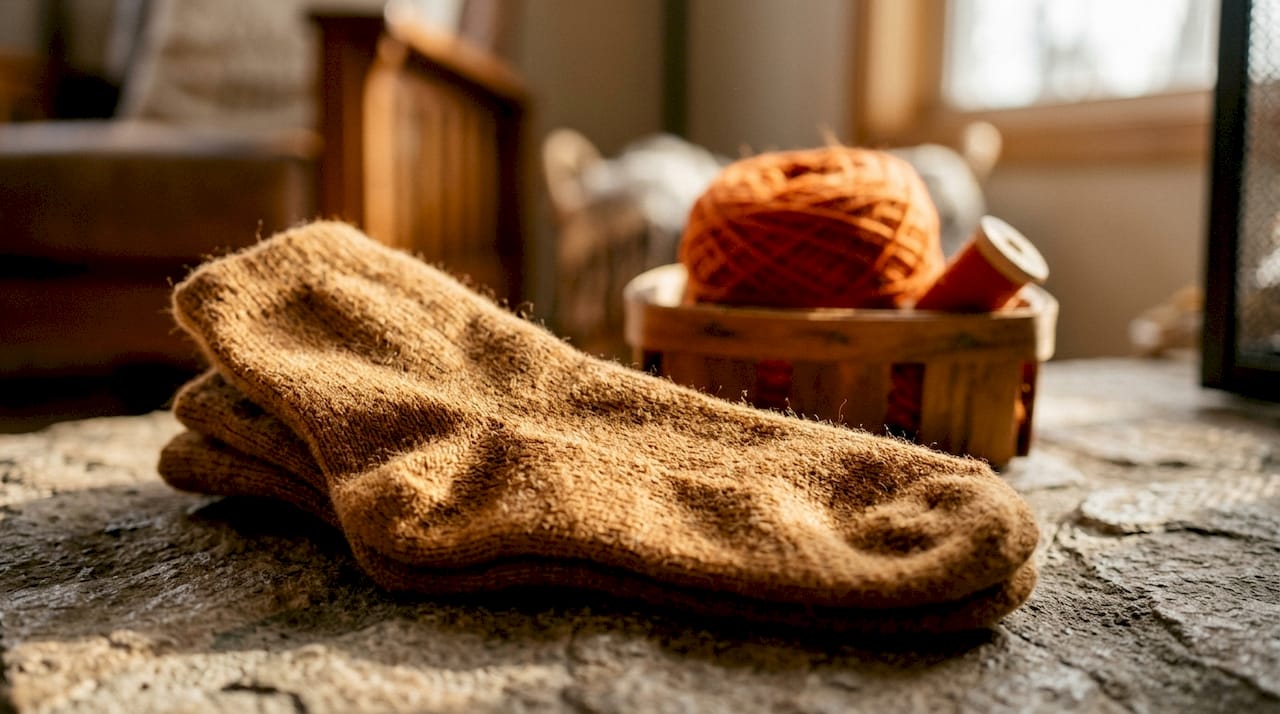
Cotton and bamboo
Cotton remains the most widely used sock fibre because it is soft, breathable, and affordable. Combed cotton, where short fibres are removed before spinning, produces a smoother, more durable yarn than standard cotton. Bamboo viscose adds a silky feel and natural antibacterial properties, making bamboo blends popular for everyday luxury socks. Neither cotton nor bamboo matches merino wool for moisture transport, but both perform well in low-intensity, temperate conditions.
Synthetic performance fibres
Polyester blends show the highest overall moisture management capacity, outperforming cotton and natural fibres in sweat transport and evaporation. That makes polyester the preferred choice for athletic and warm-weather socks where keeping feet dry is the priority. Nylon adds tensile strength and resistance to wear at the heel and toe, the two areas that degrade fastest. The trade-off is reduced softness compared to natural fibres, which is why most premium socks use synthetics as a supporting component rather than the primary fibre.Blended fabrics
Blended material socks outperform single-fibre socks in both longevity and comfort. A typical premium blend might combine merino wool for warmth and moisture wicking, nylon for durability, and elastane for shape retention. Elastane, sometimes labelled as Lycra or spandex, is critical for fit. Without it, socks lose their shape after washing and begin to bunch or sag.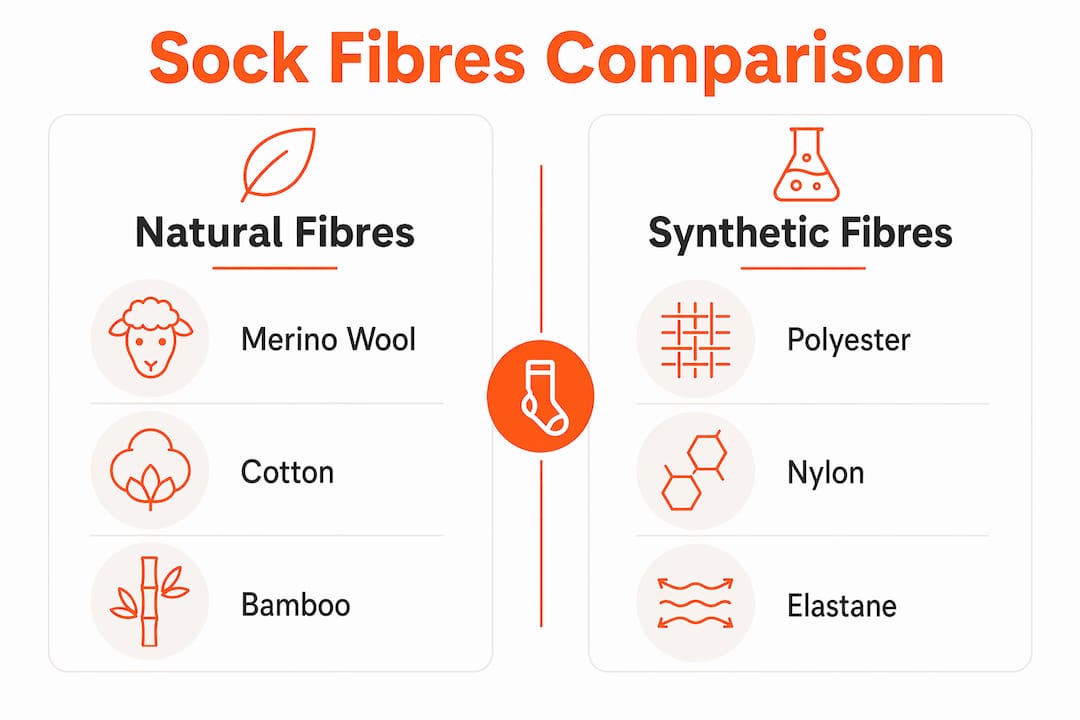
Pro Tip: Check the elastane content on the label. A premium sock typically contains 2–5% elastane. Below that, the sock will lose its shape quickly.
| Fibre | Key benefit | Limitation |
|---|---|---|
| Merino wool | Temperature regulation, antimicrobial | Higher cost |
| Combed cotton | Softness, breathability | Lower moisture transport |
| Bamboo viscose | Silky feel, antibacterial | Less durable than wool blends |
| Polyester | Superior moisture management | Reduced softness |
| Nylon | Durability, abrasion resistance | Little thermal benefit |
| Elastane | Shape retention, fit | Degrades with high-heat washing |
How do you identify premium sock quality on labels?
Reading a sock label correctly takes less than a minute and tells you almost everything you need to know about quality. The label lists fibre composition by percentage, and the order matters: fibres are listed from highest to lowest proportion.
- Check the primary fibre first. If merino wool or combed cotton leads the list at 60% or above, the sock prioritises comfort and natural performance. If polyester leads, the sock is built for moisture management and durability.
- Look for elastane or spandex. Its presence confirms the sock will hold its shape. Absence is a warning sign for longevity.
- Verify OEKO-TEX STANDARD 100 certification. OEKO-TEX independently tests textiles for over 350 harmful substances, including formaldehyde, heavy metals, and pesticide residues. For socks worn directly against skin, this certification matters.
- Check the certificate number. Verifying OEKO-TEX certification requires entering the product-specific certificate number into the official OEKO-TEX database. A label that claims certification without a verifiable number is not confirmed.
- Consider colourfastness. Premium socks should retain their colour under sweat exposure. The ISO 105-E04 standard tests colour fastness to perspiration using simulated acidic and alkaline sweat, ranking dye durability on a scale of 1 to 5. A rating of 4 or above indicates dyes that will not bleed or fade significantly during normal wear.
Pro Tip: When checking OEKO-TEX certification, confirm that the certificate covers the specific product category, not just the raw fibre. A yarn can be certified while the finished sock is not.
Colourfastness is an underappreciated quality signal. A sock that fades or bleeds dye after a few washes has almost certainly used inferior dyeing processes, regardless of how premium the fibre is.
How does knit structure affect sock performance?
Knit structure is as important as fibre choice. A hydrophobic fibre like polyester can underperform if the knit is too dense, because tight loops block evaporation and trap moisture against the skin.
The three most common structures in premium socks are terry, mesh, and rib. Terry knit creates loops on the inner surface, adding cushioning and insulation. It suits cold-weather and hiking socks where warmth and padding are priorities. Mesh knit uses an open, perforated structure that increases breathability and moisture evaporation, making it the preferred choice for summer and athletic socks. Rib knit alternates raised and recessed columns, providing elasticity and a close fit without the thermal bulk of terry.
Knit density directly influences the overall moisture management capacity (OMMC) of a sock. OMMC captures three factors: how quickly the fabric absorbs moisture, how widely it spreads that moisture across the surface, and how fast it evaporates. Moisture transport performance and knit structure are the primary drivers of a dry, comfortable feel, not fibre thickness alone. A thick, plush sock made from dense cotton terry can feel luxurious in the shop but leave feet damp and uncomfortable after an hour of wear.
| Knit type | Thermal property | Moisture performance | Best use |
|---|---|---|---|
| Terry | High insulation | Moderate | Winter, hiking |
| Mesh | Low insulation | High evaporation | Summer, sport |
| Rib | Neutral | Moderate | Everyday, office |
How to choose and care for premium socks
Choosing the right sock starts with matching the material to the activity and climate. Merino wool blends suit year-round use and travel. Polyester or nylon-dominant blends suit sport and high-sweat activities. Cotton and bamboo blends suit low-intensity everyday wear in temperate conditions.
- Match fibre to activity. Wear merino wool blends for hiking, travel, and variable climates. Choose mesh-knit polyester blends for running or gym use. Reserve cotton and bamboo for office and casual wear.
- Prioritise blends over single fibres. A sock made from 100% cotton has no elastane for shape retention and no synthetic fibre for durability. It will wear out faster and lose its fit sooner.
- Wash at low temperatures. High heat degrades elastane and shrinks natural fibres. A 30°C gentle cycle preserves fibre integrity and colour fastness. Gentle washing and avoiding high heat extends the life and luxury feel of premium socks.
- Air dry where possible. Tumble drying at high heat accelerates elastane breakdown and can cause merino wool to felt, permanently matting the fibres.
- Rotate your socks. Wearing the same pair on consecutive days does not allow the fibres to recover their shape fully. A rotation of at least five to seven pairs extends the life of each pair significantly.
Pro Tip: Store premium socks flat or loosely rolled rather than tightly balled. Balling stretches the cuff elastic over time and weakens the elastane at the ankle.
Common mistakes that degrade sock quality include washing merino wool on a standard cycle, drying elastane-rich socks in a tumble dryer, and ignoring care labels entirely. The care label is not a suggestion. It reflects the specific fibre blend inside the sock and the conditions under which it will perform best.
Key takeaways
Premium sock quality depends on fibre blend, knit structure, certified safety standards, and proper care working together, not on any single factor alone.
| Point | Details |
|---|---|
| Fibre blend beats single fibre | Merino wool, nylon, and elastane together outperform any single-fibre sock in comfort and longevity. |
| Knit structure drives moisture comfort | Mesh knit evaporates sweat faster than terry; choose structure to match your activity. |
| OEKO-TEX certification is verifiable | Always check the certificate number in the official database, not just the label claim. |
| Colourfastness signals dye quality | An ISO 105-E04 rating of 4 or above indicates dyes that hold under sweat exposure. |
| Care routine preserves luxury feel | Wash at 30°C, air dry, and rotate pairs to maintain fibre integrity and shape. |
Why I trust fibre science over marketing claims
Most sock marketing focuses on feel. Brands describe their products as "ultra-soft" or "cloud-like" because those words sell. What they rarely mention is moisture management capacity, knit density, or colourfastness ratings. Those are the factors that determine whether a sock still feels good after three months of regular wear.
My honest view is that thickness is the most misleading proxy for quality in the sock market. A thick, plush sock made from dense cotton feels impressive in the hand. But excessive thickness does not guarantee premium comfort. Moisture transport performance and knit structure are the primary factors for a dry, comfortable feel. A thin merino mesh sock will outperform a thick cotton terry sock in almost every real-world condition except extreme cold.
Certification matters more than most buyers realise. OEKO-TEX STANDARD 100 is not a marketing badge. It is an independently verified standard covering over 350 substances. The difference between a certified sock and an uncertified one is not visible, but it is real, particularly for people with sensitive skin or allergies.
My advice is to treat the label as the most honest part of the product. Read the fibre composition, check for elastane, verify the certification number, and match the knit structure to your intended use. That process takes two minutes and will serve you far better than any marketing copy.
Sockgeeks: premium socks matched to your personality
Sockgeeks has been curating premium-quality socks since 2016, selecting materials that meet real comfort and durability standards rather than just looking good on a shelf.
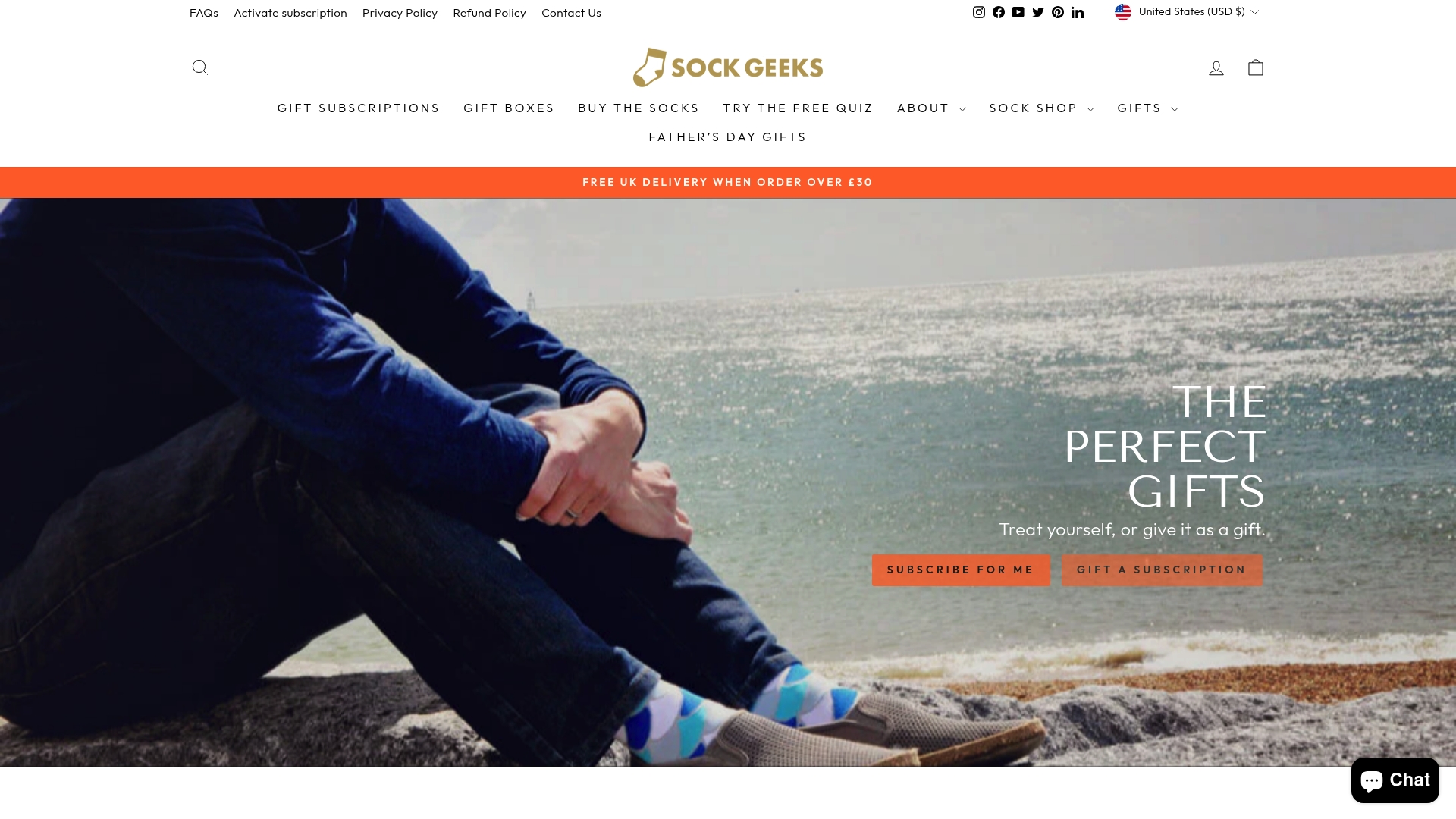
The Sockgeeks sock subscription delivers carefully chosen socks each month, including merino wool blends, performance fibre options, and OEKO-TEX certified fabrics. Every pair is matched to your personality through a free online quiz, so the socks you receive reflect both your style and your comfort needs. Gift boxes are also available for birthdays, Father's Day, and corporate rewards, each featuring themed collections built around the same commitment to quality materials. If you want to explore premium sock options without the guesswork of browsing alone, the subscription is the most direct route.
FAQ
What is the best material for premium socks?
Merino wool blended with nylon and elastane is the best all-round material for premium socks. The combination delivers temperature regulation, moisture wicking, durability, and shape retention in a single pair.
How do I verify OEKO-TEX certification on socks?
Enter the product-specific certificate number printed on the label into the official OEKO-TEX database at oeko-tex.com. A valid certificate confirms the finished sock, not just the raw fibre, meets safety standards.
Does knit structure really affect sock comfort?
Knit structure directly affects moisture evaporation and thermal performance. Mesh knits evaporate sweat faster than terry knits, making them more comfortable for active or warm-weather use.
Why do premium socks use elastane?
Elastane provides the stretch and recovery that keeps a sock fitting correctly after repeated washing. Without it, even high-quality natural fibre socks lose their shape and begin to sag at the ankle.
How should I wash merino wool socks?
Wash merino wool socks on a gentle cycle at 30°C and air dry them flat. High heat shrinks the fibres and degrades the elastane content, shortening the life of the sock significantly.
Recommended
- Sock Geeks | Sock Subscription | Quality Men's and Women's Socks
- More about Sock Geeks l Sock Blog
- 60 Seconds with Sock Geeks: Your Fun Sock Guide
